

 23-10-2026
 Yerevan
A completely blocked heart artery may sound like a condition that cannot be treated. However, advances in interventional cardiology have made it possible to reopen some arteries that have been completely blocked for months or even years.
Chronic Total Occlusion Percutaneous Coronary Intervention (CTO PCI) is a specialized, minimally invasive procedure designed to restore blood flow through a completely blocked coronary artery in appropriately selected patients.
What is a chronic total occlusion (CTO)?
The coronary arteries supply oxygen-rich blood to the heart muscle. Over time, cholesterol deposits, inflammation, and other changes in the artery wall can lead to coronary artery disease.
When a coronary artery becomes completely blocked and the blockage has been present for at least three months, it is called a chronic total occlusion, or CTO.
Unlike a recent blockage caused by a blood clot, a chronic occlusion often contains dense, fibrous, and sometimes heavily calcified tissue. This makes it more difficult to cross and treat.
The body may develop small alternative blood vessels, known as collateral vessels, to supply the heart muscle beyond the blockage. Although these vessels can provide some blood flow, they may not always deliver enough oxygen during physical activity.
What are the symptoms of CTO?
Some patients with CTO have no noticeable symptoms. Others may experience:
• Chest pain or pressure, particularly during physical activity.
• Shortness of breath when walking or climbing stairs.
• Unusual fatigue or reduced exercise tolerance.
• Difficulty performing everyday activities.
These symptoms may occur because the heart muscle does not receive enough oxygen-rich blood during exertion.
Importantly, not every completely blocked artery requires an intervention. The decision depends on the patient's symptoms, heart function, coronary anatomy, and overall cardiovascular risk.
What is CTO PCI?
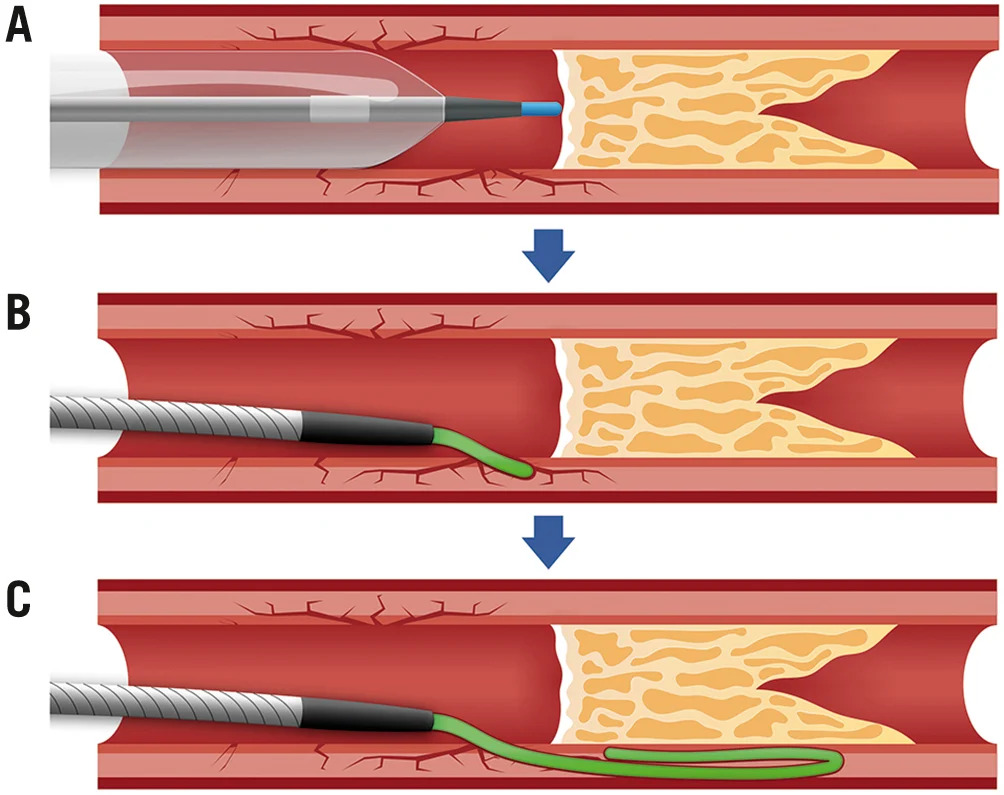
CTO PCI is a catheter-based procedure used to attempt to reopen a chronically and completely blocked coronary artery without open-heart surgery.
The procedure is performed by an interventional cardiologist using specialized guidewires, catheters, and other dedicated equipment.
The main objective is to restore blood flow to the affected area of the heart. In appropriately selected patients, this may reduce chest pain, improve exercise capacity, and enhance quality of life.
CTO PCI is more technically challenging than routine coronary stenting because the guidewire must pass through or around a long-standing, completely blocked segment.
How is the CTO PCI procedure performed?
The exact approach depends on the location, length, and complexity of the blockage.
1. Assessment and planning
Before the procedure, the cardiologist reviews the patient's medical history, symptoms, coronary angiography, and relevant imaging or heart-function tests. The team evaluates the likelihood of success, potential benefits, and risks.
2. Access through a blood vessel
The procedure is usually performed through an artery in the wrist or groin. A thin tube called a catheter is guided toward the coronary arteries.
3. Crossing the blockage
Using specialized guidewires and imaging guidance, the cardiologist carefully attempts to cross the blocked segment. Depending on the anatomy, an antegrade approach from the front of the blockage, a retrograde approach through collateral vessels, or other advanced techniques may be considered.
Not every technique is suitable for every patient.
4. Restoring blood flow
Once the blockage has been successfully crossed, a small balloon may be inflated to widen the artery. One or more stents are often implanted to help keep the artery open and maintain blood flow.
5. Monitoring after the procedure
The medical team monitors the patient's condition and checks for complications. The length of hospital observation and recovery instructions depend on the procedure and the patient's overall health.
Who may benefit from CTO PCI?
CTO PCI may be considered for patients who have:
• Persistent chest pain despite appropriate medication.
• Shortness of breath or other symptoms that limit daily activities.
• Evidence that the affected area of heart muscle is not receiving enough blood.
• Coronary anatomy suitable for an intervention with an acceptable balance of benefit and risk.
Doctors may also assess whether the affected heart muscle remains viable and whether other narrowed coronary arteries should be treated first.
A multidisciplinary team may be involved when coronary bypass surgery or medical therapy could be an alternative.
CTO PCI is not necessary for every patient with a completely blocked coronary artery. The expected benefit must be weighed against the risks of the procedure.
Is CTO PCI safe?
CTO PCI is an advanced procedure and carries risks, as does any invasive heart treatment. These may include bleeding at the catheter entry site, damage to a blood vessel, injury or perforation of a coronary artery, heart attack, kidney injury related to contrast dye, radiation-related complications, and, rarely, stroke, emergency surgery, or death.
The individual risk depends on the complexity of the blockage, other medical conditions, kidney function, heart function, and the experience and resources of the treating team.
Careful planning and appropriate patient selection are essential.
What are the benefits of CTO PCI?
For appropriately selected patients, successful CTO PCI may:
• Reduce angina, or chest pain caused by reduced blood supply to the heart.
• Improve the ability to walk and exercise.
• Reduce limitations in everyday activities.
• Improve quality of life.
However, opening a CTO has not been shown to improve survival in every patient group. The procedure should therefore be recommended based on an individualized assessment rather than the angiographic finding alone.
What happens after CTO PCI?
Recovery varies according to the complexity of the procedure and the patient's condition. Some patients are discharged relatively soon, while others require longer observation.
After the procedure, patients may need antiplatelet medication to reduce the risk of a blood clot forming inside the stent. The choice and duration of medication must be determined by the treating cardiologist.
Follow-up appointments, prescribed medication, blood pressure and cholesterol control, smoking cessation, physical activity, and management of diabetes are all important parts of long-term coronary care.
Patients should not stop prescribed antiplatelet medication without medical advice.
CTO PCI at Best Life Medical Center in Yerevan
Best Life Medical Center provides interventional cardiology services, including coronary angiography and coronary angioplasty with stenting.
Patients with a diagnosis of chronic total coronary artery occlusion can contact the center to ask about specialist assessment and the availability and suitability of CTO PCI for their individual case.
The decision to proceed with treatment requires a review of the coronary angiogram, symptoms, medical history, and potential benefits and risks.
Learn more about the Interventional Cardiology Service at Best Life Medical Center.

CTO PCI Procedure: How Can a Completely Blocked Heart Artery Be Treated?
International Day of Anesthesiologists and Intensive Care Specialists: Best Life Medical Center Thanks Its Doctors

Advancing Professional Development for Mid-Level Medical Personnel
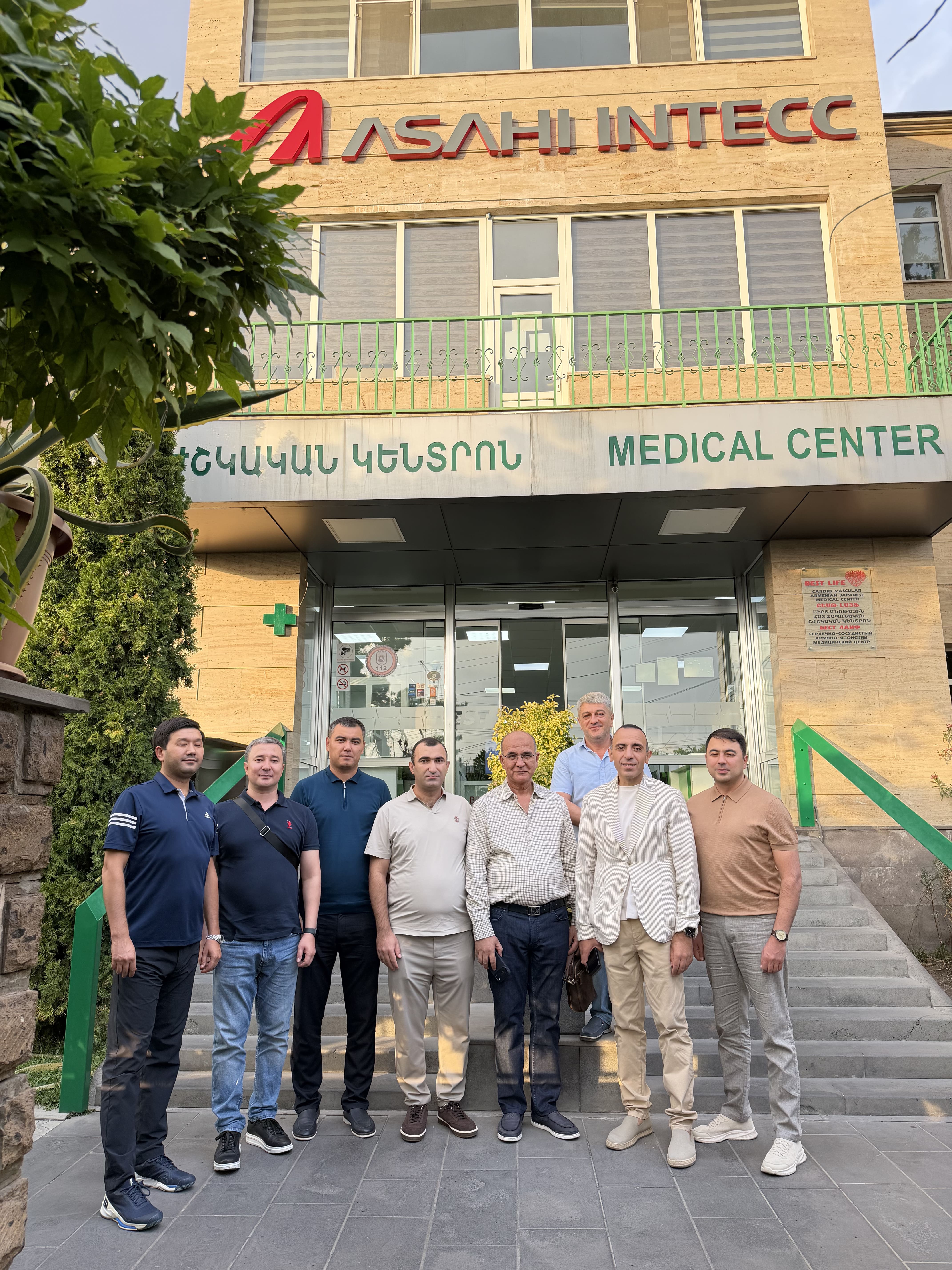
Delegation of Leading Medical Center Directors from Uzbekistan Visits Best Life Medical Center


